
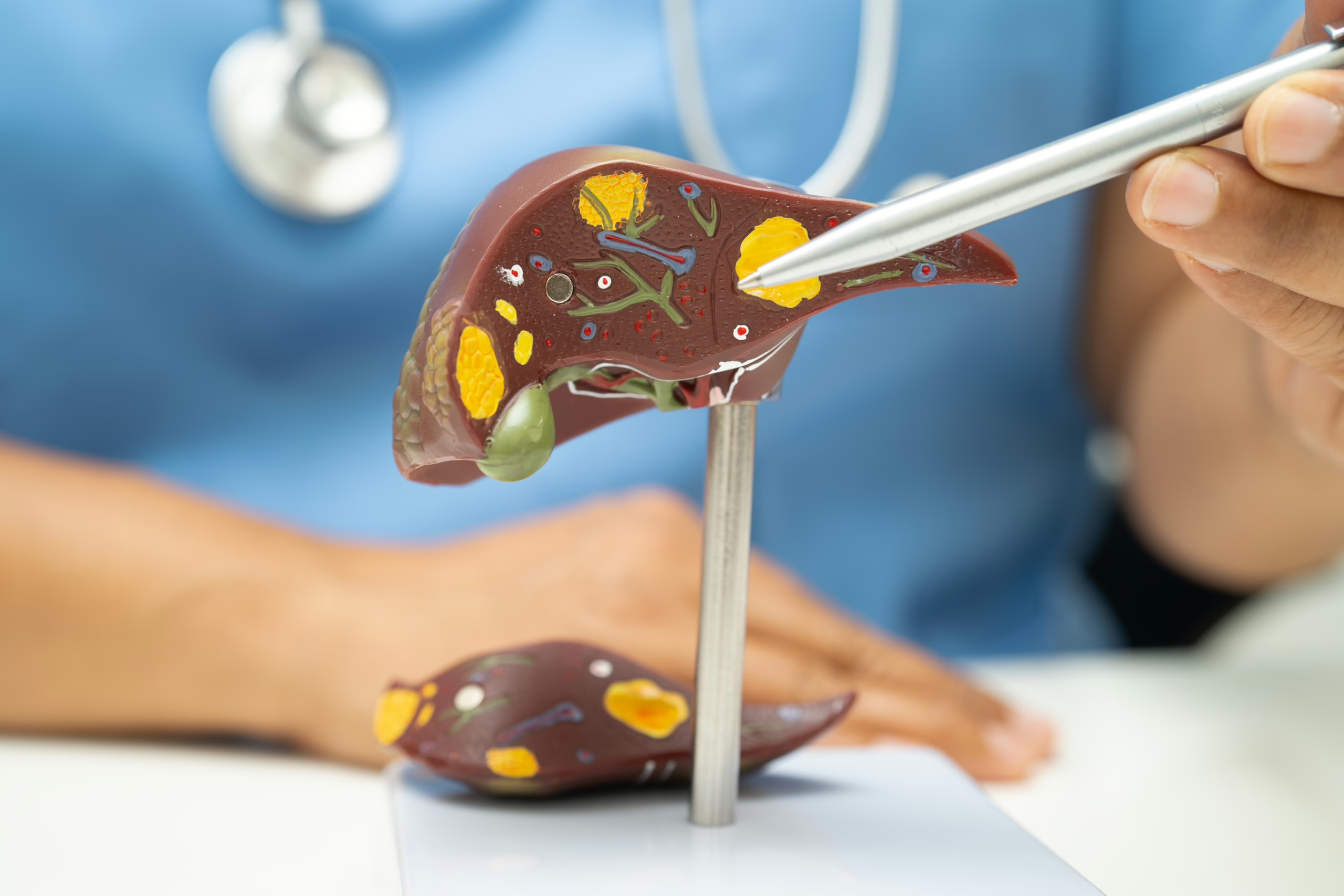
Gallbladder stones have become one of the most common digestive health issues in India, especially among adults between 25–55 years. Every month, thousands of people search online for “Gallbladder stone symptoms”, “gallbladder stone treatment,” or “right-side abdominal pain after eating”—showing how widespread this condition has become.
For patients experiencing discomfort, indigestion, bloating, or sharp pain near the upper abdomen, understanding gallbladder stones is extremely important. Early diagnosis and timely treatment can prevent complications such as infection, pancreatitis, and severe gallbladder inflammation.
This educational guide explains symptoms, causes, diagnosis, treatment options, laparoscopic surgery, and when you should consult a specialist like Dr. Govind Nandakumar, one of the leading experts offering Laparoscopic Surgery in Sadashivanagar.
What Are Gallbladder Stones?
Gallbladder stones (also called gallstones) are hard deposits that form inside the gallbladder due to an imbalance in cholesterol, bile pigments, or salts. These stones can be:
- Cholesterol stones (most common)
- Pigment stones
- Mixed stones
While small stones may remain silent for years, larger stones or multiple stones can cause pain, infection, or blockage of bile ducts. This is why many patients require professional evaluation or even laparoscopic gallbladder removal, depending on the severity.
Common Symptoms of Gallbladder Stones
One of the top reasons people search online for gallbladder issues is the intensity and recurrence of right-side abdominal pain. While symptoms vary, here are the most common indicators:
1. Pain in the Upper Right Abdomen
This pain often comes suddenly and may last from 30 minutes to several hours. It may worsen after fatty meals.
2. Nausea or Vomiting
Many patients feel nauseous, especially after eating spicy or oily foods.
3. Indigestion & Bloating
Difficulty digesting meals, frequent burping, and a feeling of heaviness are typical complaints.
4. Pain Radiating to the Back or Shoulder
Some patients experience discomfort spreading to the right shoulder blade.
5. Fever or Chills (Severe Cases)
This may indicate an infection or inflammation of the gallbladder.
If any of these symptoms persist, it is essential to undergo a gallbladder stone ultrasound—the first and most reliable test for diagnosis.
What Causes Gallbladder Stones?
Gallstones typically form when:
- The liver produces too much cholesterol
- The gallbladder doesn’t empty completely
- There is an excess of bilirubin in the body
- A high-fat or high-calorie diet is followed
- Obesity, rapid weight loss, or hormonal imbalance occurs
- Family history or genetics play a role
Women, individuals above 40, and people with sedentary lifestyles are at higher risk.
Diagnosis: How Are Gallbladder Stones Detected?
Ultrasound Scan
A gallbladder stone ultrasound is the most accurate, painless, and quick method for detecting stones.
Blood Tests
These help check infection, liver function, and inflammation.
Advanced Imaging
In complicated cases, MRCP or CT scan may be recommended.
Early detection helps surgeons decide whether medical treatment or laparoscopic surgery in Sadashivanagar is required.
Treatment Options for Gallbladder Stones
Treatment depends on symptoms, type of stones, and severity of the condition.
1. Medical Management
Doctors may suggest:
- Pain control
- Dietary modification (low-fat meals)
- Medications for dissolving cholesterol stones (rarely effective for large stones)
A Gallstone diet typically includes fruits, vegetables, whole grains, and low-fat proteins while avoiding oily and deep-fried foods.
However, medical treatment works only in selective cases and is not a permanent solution for most patients.
2. Laparoscopic Gallbladder Removal (Most Common Treatment)
The gold-standard treatment worldwide is laparoscopic gallbladder removal, also called laparoscopic cholecystectomy.
It is minimally invasive, safe, and highly effective for long-term relief. This is one of the most sought-after procedures in cities like Bangalore, especially for patients looking for Laparoscopic Surgery in Sadashivanagar under experienced specialists such as Dr. Govind Nandakumar.
Benefits of Laparoscopic Gallbladder Removal
- Small cuts, minimal pain
- Faster recovery
- Shorter hospital stay (usually 1 day)
- Quick return to routine activities
- Rare recurrence of gallstones
3. When Is Surgery Needed?
Your doctor may recommend surgery if you have:
- Repeated right-side abdominal pain
- Multiple gallstones
- Infection or swelling (cholecystitis)
- Stones blocking bile ducts
- Pancreatitis due to gallstones
- Persistent digestive issues
In such cases, delaying surgery can lead to complications. Therefore, timely evaluation by a surgeon experienced in laparoscopic surgery in Sadashivanagar—such as Dr. Govind Nandakumar—is crucial for safe and effective treatment.
Gallbladder Surgery Recovery: What to Expect
Recovery after laparoscopic surgery is smooth and predictable:
- Most patients walk within a few hours
- You can return home the next day
- Light activities can begin in 48–72 hours
- You can resume work in 5–7 days
- Follow a light Gallstone diet temporarily
- Pain is minimal and well-controlled
Following your surgeon’s advice ensures safe and quick healing.
Can Gallstones Be Prevented?
Yes, to an extent. You can reduce risk by:
- Maintaining healthy body weight
- Eating a balanced diet
- Avoiding excess oil and junk foods
- Drinking enough water
- Staying physically active
These lifestyle changes support long-term digestive health.
Frequently Asked Questions (FAQs)
1. What causes gallbladder stones?
Gallstones form due to excess cholesterol, bile pigment imbalance, obesity, hormonal changes, or inadequate gallbladder emptying.
2. How is gallbladder stone treatment decided?
Your doctor evaluates symptoms, physical examination, blood tests, and ultrasound findings to decide whether medical management or surgery is needed.
3. Is laparoscopic gallbladder removal safe?
Yes. It is one of the safest and most commonly performed surgeries, offering fast recovery and minimal discomfort.
4. How long is gallbladder surgery recovery?
Most patients return to normal activities within a week and experience excellent long-term outcomes.
5. Do I need to follow a special Gallstone diet after surgery?
A temporary low-fat diet is recommended for a few weeks, after which you can gradually return to a normal balanced diet.
Book an Appointment
To consult Dr. Govind Nandakumar for gallbladder stone treatment or laparoscopic surgery in Sadashivanagar, reach out to the nearest location below.
Find Your Nearest Location
Varthur
Survey No. 10P & 12P, Whitefield Main Rd, Varthur Kodi, Palm Meadows, Ramagondanahalli, Karnataka 560066
Whitefield
Manipal Hospital, #143, 212–2015, EPIP Industrial Area, Off Hoodi Village, KR Puram Hobli, Bangalore – 560066
Sarjapur
Survey no 45/2, Ward 150, Marathahalli – Sarjapur Rd, Opp. Iblur, Ambalipura, Bellandur, Bengaluru, Karnataka 560102
Yeshwantpur
Brigade Gateway 26, 4, 1st Main Rd, Beside Metro, Malleswaram, Bengaluru, Karnataka 560055
Hebbal
Kirloskar Business Park, Manipal Hospital, Bellary Rd, Bengaluru, Karnataka 560024
Miller Road
Manipal Hospital, 71/1, Millers Road, Opp. St. Anne’s College, Vasanth Nagar, Bengaluru, Karnataka 560052